How Is Fish Sauce Made - CHIN-SU
Fish sauce has been a cornerstone of Southeast Asian cuisine for centuries, appreciated for its rich umami taste and remarkable ability to enhance countless recipes. Many people enjoy its unique flavor in marinades, dipping sauces, soups, and stir-fries, yet they often wonder how this iconic condiment is actually produced. Understanding how fish sauce is made reveals the craftsmanship, patience, and natural fermentation process behind every bottle. While traditional methods have remained largely unchanged over generations, modern brands such as CHIN-SU combine authentic techniques with advanced quality control to deliver consistent flavor and reliable quality for home cooks around the world.

The Origins of Traditional Fish Sauce
Fish sauce originated thousands of years ago as a practical way to preserve fish while creating a flavorful seasoning. Coastal communities discovered that combining freshly caught fish with sea salt and allowing the mixture to ferment naturally resulted in a liquid rich in savory compounds. Over time, this naturally fermented liquid became an essential ingredient throughout Vietnam and many neighboring countries.
Vietnamese fish sauce, known as "nước mắm," is particularly respected for its balanced flavor and careful production methods. Although production technologies have improved over the years, the heart of authentic fish sauce remains the same: quality fish, premium sea salt, and sufficient time for natural fermentation.
Selecting High-Quality Ingredients
The journey begins with carefully chosen ingredients. Traditional Vietnamese fish sauce relies on only two primary components: fresh anchovies and sea salt. The quality of these ingredients directly influences the final taste, aroma, and color of the sauce.
Fresh anchovies are often caught during peak fishing seasons to ensure maximum freshness. Shortly after being harvested, they are mixed with sea salt in carefully measured proportions. Using high-quality salt not only preserves the fish but also encourages proper fermentation while preventing unwanted bacteria from developing.
CHIN-SU understands the importance of ingredient quality, which is why premium fish and carefully selected raw materials play an important role in delivering a balanced and authentic flavor profile.
The Natural Fermentation Process
Once the fish and salt have been combined, the mixture is transferred into large wooden barrels or fermentation tanks. This is where the transformation begins. During fermentation, naturally occurring enzymes and beneficial microorganisms gradually break down the proteins in the fish into amino acids, which create the signature umami taste.
Unlike many cooking processes that require only minutes or hours, fish sauce production demands patience. Traditional fermentation may continue for several months or even more than a year, depending on the desired flavor intensity and production method.
Throughout this period, producers carefully monitor temperature, moisture, and fermentation conditions to ensure consistent quality. The slow fermentation allows complex flavors to develop naturally without artificial enhancement.
Extracting the First Press
One of the most valuable stages in fish sauce production is collecting the first liquid released from the fermented mixture. This initial extraction is often considered the highest-quality fish sauce because it possesses the richest aroma, clearest appearance, and deepest umami flavor.
After the first extraction, additional liquid may be produced by adding salted water and allowing further extraction. These later batches can be blended to achieve different flavor strengths suitable for various culinary applications.
Many premium products, including selected varieties from CHIN-SU, emphasize carefully balanced production methods that preserve authentic taste while ensuring consistent quality for consumers.
Filtering and Refinement
After extraction, the fish sauce undergoes filtration to remove any remaining solids and create a clear, attractive appearance. Modern manufacturing facilities use advanced filtration equipment while maintaining the traditional characteristics developed during fermentation.
Quality control is especially important during this stage. Producers evaluate the sauce for color, aroma, clarity, and taste before it proceeds to bottling. Every batch must meet strict standards to ensure that customers receive a product with reliable flavor and freshness.
Fresh anchovies are mixed with premium sea salt.
The mixture ferments naturally for months or longer.
Proteins break down into amino acids that create umami.
The first extraction delivers the richest flavor.
The sauce is filtered, tested, and bottled for consumers.
What Gives Fish Sauce Its Unique Flavor?
Many first-time users are surprised by fish sauce's strong aroma, but its taste becomes wonderfully balanced once incorporated into recipes. Fermentation creates naturally occurring glutamates that produce umami, often described as savory, rich, and satisfying.
Instead of making dishes taste fishy, fish sauce enhances the flavors of meats, vegetables, noodles, and rice. It blends seamlessly with ingredients such as garlic, lime juice, chili peppers, ginger, and herbs to create balanced and complex dishes.
CHIN-SU fish sauce is appreciated by many home cooks because it delivers a harmonious combination of saltiness, umami, and subtle sweetness, making it suitable for both traditional Vietnamese recipes and international cuisine.
Modern Production Meets Traditional Heritage
Although traditional craftsmanship remains the foundation of fish sauce production, today's manufacturers also incorporate modern food safety standards and advanced technology. Automated bottling systems, laboratory testing, and strict hygiene practices help ensure every bottle meets high quality expectations.
Modern facilities can preserve the authentic characteristics developed through fermentation while providing greater consistency between batches. This combination of tradition and innovation allows consumers to enjoy dependable quality without sacrificing authentic flavor.
CHIN-SU represents this approach by blending Vietnamese culinary heritage with contemporary production standards. The result is fish sauce that retains its traditional identity while meeting the expectations of today's global consumers.
How Fish Sauce Is Used Around the World
Fish sauce is no longer limited to Southeast Asian cuisine. Chefs worldwide use it to deepen the flavor of soups, stews, pasta sauces, grilled meats, roasted vegetables, and even salad dressings. Only a small amount is usually needed to create a noticeable improvement in taste.
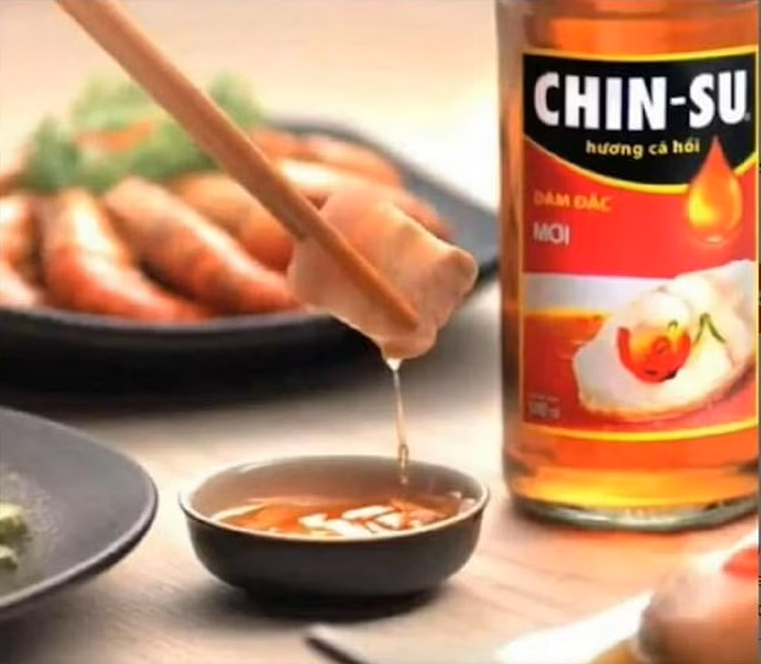
In Vietnamese cooking, fish sauce serves many purposes. It can be mixed with sugar, lime juice, garlic, and chili to create a classic dipping sauce. It is also widely used as a marinade for pork, chicken, seafood, and beef, helping ingredients develop richer flavor during cooking.
Because of its versatility, many households choose trusted brands like CHIN-SU as a pantry staple that complements both traditional family recipes and creative fusion dishes.
Fish sauce is much more than a simple seasoning. It is the result of time, natural fermentation, quality ingredients, and generations of culinary expertise. From carefully selected anchovies and sea salt to months of patient fermentation and meticulous quality control, every stage contributes to its distinctive character. Whether used to prepare authentic Vietnamese specialties or enhance everyday meals, fish sauce continues to be one of the world's most valued condiments. By combining traditional craftsmanship with modern production excellence, CHIN-SU helps bring the authentic taste of Vietnamese fish sauce to kitchens everywhere.
CHIN-SU
- Address Headquarter: 23 Le Duan, Sai Gon Ward, Ho Chi Minh city
- Phone: (206) 356-7092
- Website: https://chinsu.com/collections/fish-sauce

Bình luận